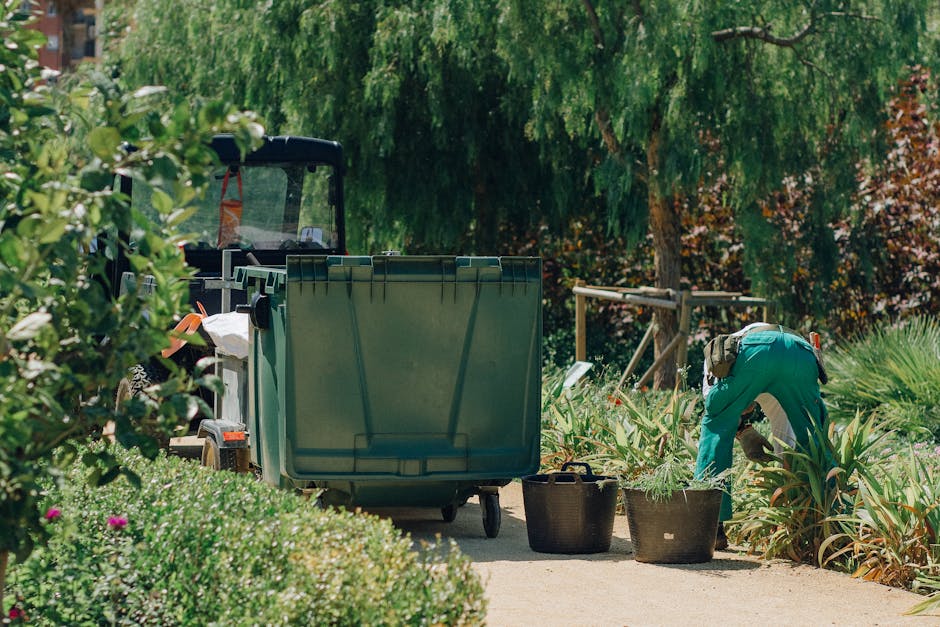
Blackheath garden maintenance tips from local gardeners
If you live in Blackheath, you already know the garden can change its mood very quickly. One week it feels crisp and manageable; the next, a damp spell, a windy afternoon, and a burst of growth can leave borders looking a bit wild. That is exactly why Blackheath garden maintenance tips from local gardeners are so useful: they are shaped by real conditions, not generic advice copied from somewhere else.
Local gardeners tend to notice the small things first. The way the soil holds water after rain. Which shrubs get battered by the wind. How shade from mature trees changes what thrives. In this guide, you will get practical, local-minded maintenance advice that helps you keep your garden tidy, healthy, and easier to manage throughout the year. Nothing fancy. Just the sort of guidance that actually helps on a Saturday morning when the hedge has grown three inches and you are wondering where to start.
Table of Contents
- Why Blackheath garden maintenance tips from local gardeners matters
- How Blackheath garden maintenance tips from local gardeners works
- Key benefits and practical advantages
- Who this is for and when it makes sense
- Step-by-step guidance
- Expert tips for better results
- Common mistakes to avoid
- Tools, resources and recommendations
- Law, compliance, standards, or best practice
- Options, methods, or comparison table
- Case study or real-world example
- Practical checklist
- Conclusion
- Frequently asked questions
Why Blackheath garden maintenance tips from local gardeners Matters
Blackheath gardens often need a slightly different approach from the one-size-fits-all advice you see online. The area has a mix of open, exposed spaces and more sheltered spots, plus older trees, varied soil conditions, and plenty of gardens that need careful, regular upkeep rather than occasional rescue work. Truth be told, this is where local experience matters most.
Maintenance is not just about keeping things neat. It protects plant health, reduces avoidable repairs, and helps a garden look good even when the weather is doing its best to make life awkward. A border full of weeds or a lawn that is cut too short can look fine for a week, then spend the next month sulking. Local gardeners see those patterns every season.
It also helps with planning. If you know a particular hedge throws shade over the patio by late spring, or that a bed near the road dries out faster than expected, you can work with the garden rather than constantly fighting it. That is a much calmer way to garden, and a better use of your time too.
For homeowners, landlords, and property managers alike, regular maintenance also supports value and presentation. A well-kept garden gives a strong first impression. A neglected one does the opposite, and fast. If you want a broader sense of what a professional service may cover, the services overview is a useful place to start.
How Blackheath garden maintenance tips from local gardeners Works
At its simplest, good garden maintenance works by breaking the job into small, repeatable routines. Instead of waiting for everything to become overgrown, you deal with the garden in short, sensible cycles: mow, edge, prune, weed, feed, tidy, check. That rhythm matters more than people think.
Local gardeners usually work in layers. First comes safety and access. Then a quick visual scan for problem areas. After that, the practical tasks: cutting back growth, removing dead material, weeding, clearing paths, and checking whether anything needs watering, staking, or feeding. The order changes depending on the season, but the logic stays the same.
In a place like Blackheath, the weather can shift a lot in a short time. One dry spell and containers need attention; one run of rain and lawns get soft, muddy, and easy to compact. A sensible maintenance routine adjusts to those changes rather than sticking rigidly to a calendar. That flexibility is what keeps plants healthier and the work less stressful.
If you are deciding whether to manage everything yourself or bring in help, it can be useful to look at the wider support offered through the garden services available and compare that against your own time, tools, and confidence. Some people only need a hand with seasonal jobs. Others need regular upkeep. Both are perfectly normal.
Key Benefits and Practical Advantages
Good maintenance pays you back in more ways than one. The obvious benefit is appearance, but there is a lot more going on underneath that tidy finish.
- Healthier plants: Deadheading, pruning, and clearing around stems reduces stress and encourages better growth.
- Fewer pest and disease issues: Removing debris and overcrowded growth improves airflow, which is a big help in damp periods.
- Less emergency work: Small, regular tasks are easier than tackling a garden that has gone completely feral. We have all seen that one border.
- Better use of space: Tidy paths, clear beds, and controlled growth make a garden feel larger and more usable.
- Improved safety: Slippery paths, hidden trip hazards, and unstable branches are easier to spot before they become a problem.
- More predictable costs: If you maintain regularly, you are less likely to need costly catch-up work later.
There is also a psychological benefit. A maintained garden is easier to enjoy. You step outside with a cup of tea in the morning and the space feels welcoming rather than nagging at you. That matters, especially in a busy London routine where your garden might be the one quiet bit of the day.
For people comparing service providers, cost transparency matters too. If you want to understand how quotes are put together, take a look at the pricing and quotes guidance. It can help you make a more informed decision without any guesswork.
Who This Is For and When It Makes Sense
This kind of practical maintenance advice is helpful for a few different people. In a real-world sense, it is not just for keen gardeners with immaculate borders and a shed full of equipment.
Homeowners use it to keep the garden attractive and manageable without letting jobs build up. Landlords and letting agents often need gardens to look tidy between tenancies or inspections. Busy families want a garden that is safe, usable, and not constantly demanding attention. And older residents may simply want to stay on top of the work without overdoing it. Fair enough.
It also makes sense when:
- the garden is growing faster than you can keep up with;
- you have recently moved and do not yet understand the garden's habits;
- you are preparing for spring, summer entertaining, or autumn leaf fall;
- you notice weeds, moss, or dead patches returning again and again;
- you want the garden to be easier to maintain over time, not harder.
If you are unsure about the right level of support, a good first step is learning about the company behind the service. The about us page is useful for understanding approach, values, and how a local team may work in practice. A little context goes a long way.
Step-by-Step Guidance
The best maintenance routine is the one you can actually keep doing. So rather than trying to transform everything in one weekend, use a clear sequence and keep it realistic.
- Walk the garden first. Do a slow pass and look for overgrowth, broken stems, weeds, pooling water, patchy lawn areas, and anything that could be a hazard.
- Clear obvious debris. Pick up fallen branches, dead leaves, plant labels, broken pots, and clutter from paths or beds. It sounds basic, because it is, but it changes everything.
- Deal with weeds before they spread. Pull annual weeds when the soil is damp. For tougher perennial weeds, remove as much root as you can. Do not just snap the tops off and hope for the best.
- Cut back what is finished. Remove spent flowers, trim soft growth that is crowding other plants, and shape shrubs where appropriate. Avoid hard pruning unless the plant and season call for it.
- Check watering needs. Containers and recently planted areas dry out faster than people expect, especially in sun or wind. Water deeply rather than little and often.
- Feed and mulch where useful. Compost or organic mulch can help retain moisture and improve soil texture, especially in borders that struggle in warm or dry spells.
- Tidy the lawn. Raise the mower height if conditions are hot or dry, and avoid cutting too much at once. A lawn cut too low can look neat for a day and then go off the boil.
- Finish with edging and sweep-up. Crisp edges, clear paths, and swept patios make the whole space feel more cared for.
That sequence is simple, but it works. And no, you do not need to do it all perfectly. Gardens are living places, not showroom floors. Slightly messy is fine. Neglected is different.
Expert Tips for Better Results
Local gardeners tend to rely on a few habits that make maintenance easier over the long run. These are the small details people often skip, then end up regretting later.
1. Work with the season, not against it
In spring, focus on growth control, feeding, and clearing winter debris. In summer, pay attention to watering and deadheading. In autumn, leaf clearance and protecting vulnerable plants become more important. In winter, pruning decisions and drainage matter more than colour. Simple enough, but easy to forget when you are busy.
2. Observe the garden before reaching for the pruners
Some shrubs should not be cut back in the same way as others. If you are not sure what a plant needs, pause. A minute of observation can save a whole season of awkward growth. That is especially true with established gardens in Blackheath, where mature planting often has a rhythm of its own.
3. Prioritise airflow in dense areas
Where plants are packed closely together, trim enough to let air move through. It helps reduce damp-related problems and keeps beds looking less crowded. You do not need to strip everything back. Just ease the pressure a bit.
4. Keep a small maintenance kit ready
A bucket, secateurs, gloves, hand fork, trowel, and a rake are often enough for day-to-day upkeep. If everything is scattered around the shed, jobs feel bigger than they are. Funny how that works, isn't it?
5. Save major reshaping for the right moment
Heavy pruning, tree work, and large-scale reshaping are better left for suitable timing and correct technique. If you are unsure, get advice before making a big cut. A garden can recover from tidying. It may not recover so gracefully from a guess.
For gardeners who are also thinking about the environmental side of upkeep, the recycling and sustainability information is worth reviewing. Waste handling, composting, and responsible disposal can all be part of a smarter routine.
Common Mistakes to Avoid
Most garden problems do not start with one big disaster. They start with a few small oversights repeated over time. The good news? Those are usually easy to fix once you spot them.
- Cutting grass too short: This stresses the lawn and can make it patchy, especially during dry weather.
- Ignoring weeds until they seed: Once they spread, you are playing catch-up for weeks.
- Overwatering containers: Wet soil all the time can be just as bad as dry soil. Roots need oxygen too.
- Pruning at the wrong time: Some plants flower on old wood, so a careless cut can remove next season's display.
- Using blunt tools: Blunt blades tear rather than cut, which is rough on plants and tiring for you.
- Letting leaf litter build up on paths and drains: It looks untidy and can create slippery spots.
- Trying to do everything in one go: That is a fast route to sore shoulders and a half-finished garden.
A common local issue is assuming every part of the garden should be treated the same. A sunny bed, a shaded corner, a lawn, and a container display all have different needs. Once you treat them that way, maintenance becomes much easier.
Tools, Resources and Recommendations
You do not need a massive toolkit to maintain a garden well. In fact, too many tools can become a kind of clutter with a handle on it. Start with the basics and add only what you will genuinely use.
| Tool or resource | Best for | Why it helps |
|---|---|---|
| Bypass secateurs | Pruning soft stems, deadheading, light shaping | Cleaner cuts and less plant damage |
| Hand fork and trowel | Weeding, planting, small border jobs | Useful for close-up work without disturbing roots too much |
| Rake or leaf grabber | Leaf clearance and debris removal | Keeps paths clear and reduces slippy build-up |
| Long-handled shears | Light hedge tidying and shaping | Useful for keeping edges neat between larger cuts |
| Wheelbarrow or garden trug | Moving waste and materials | Saves endless trips up and down the garden |
| Compost or mulch | Improving soil and moisture retention | Helps plants cope better with warm or dry spells |
For some households, the smarter move is not buying more tools but using a professional service for the heavier work. That can include seasonal tidy-ups, ongoing visits, or one-off restoration after a period of neglect. If you want a clearer picture of how work is organised, the service range overview is a practical reference.
And if you are planning to book work, the contact page makes it easy to ask questions before you commit. Sometimes a short conversation clears up more than half an hour of online searching. Simple, really.
Law, Compliance, Standards, or Best Practice
Garden maintenance is not usually a heavily regulated activity for ordinary homeowners, but there are still sensible standards and duties to keep in mind, especially if someone else is doing the work for you.
If a contractor is working on your property, you should expect them to take safety seriously, use suitable equipment, and work in a way that reduces risk to people and property. That includes careful use of ladders, machinery, chemicals where applicable, and proper handling of green waste. A trustworthy company should be able to explain its approach clearly. For a basic overview of how a provider frames this, the health and safety policy and insurance and safety information are both worth reading.
Good practice also includes clear terms, fair billing, and transparent communication about what is included in a job. If you are booking recurring maintenance, make sure you understand the scope, frequency, and any extra charges before work begins. The terms and conditions and payment and security information can help set expectations from the start.
On the environmental side, responsible disposal of garden waste and sensible reuse where possible are now widely expected. Composting suitable material, separating waste properly, and avoiding unnecessary landfill use are all part of good modern practice. If sustainability matters to you, a provider's recycling and sustainability approach is a helpful signpost.
There is also a basic fairness element when services are involved. Ethical working standards matter, even in local trade work. That is why some businesses publish a modern slavery statement and related trust pages. It may seem formal for a garden article, but trust is built in those details.
Options, Methods, or Comparison Table
There is more than one way to maintain a garden well. The right choice depends on your time, budget, physical ability, and how much you want to do yourself. Here is a straightforward comparison.
| Approach | Best for | Pros | Watch-outs |
|---|---|---|---|
| DIY routine | Hands-on homeowners with time and basic tools | Lowest direct cost, flexible timing, full control | Easy to fall behind, requires confidence and effort |
| Seasonal tidy-ups | People who can manage light upkeep but need help with bigger jobs | Good balance of cost and support, less overwhelming | Gaps can appear between visits if the garden grows quickly |
| Regular maintenance service | Busy households, landlords, and larger gardens | Consistent results, easier planning, less stress | Ongoing commitment and clear scope needed |
| One-off restoration | Overgrown gardens or post-winter recovery | Fast transformation, useful reset point | Needs follow-up maintenance to keep results |
For many Blackheath gardens, the sweet spot is a blend: a basic DIY routine for light tasks, plus professional help for the heavy lifting or seasonal reset. That way the garden stays under control without becoming a second job. Nobody needs that.
Case Study or Real-World Example
Here is a typical local scenario. A terrace garden in Blackheath has a small lawn, a few mature shrubs, a shaded side path, and two raised beds. The owners keep on top of things for most of the year, but by late spring the shrubs have become leggy, the side path has picked up moss and leaf litter, and the raised beds are full of weeds that arrived quietly and then decided to stay.
The maintenance approach starts with a full tidy: clearing debris, removing weeds, lifting low branches, and cutting back growth around the path. The lawn is mown a little higher than usual to avoid stressing it in warm weather. A mulch is added to the beds to help moisture stay in the soil. Then, rather than waiting for the whole garden to unravel again, the owners put in a lighter fortnightly routine: short weed checks, deadheading, edging, and a quick sweep after windy days.
The result is not perfection. It is something better: a garden that feels manageable. There is more structure, less panic, and fewer jobs left until the point they become weekend-consuming. That is the real win.
In practice, this is the pattern local gardeners see most often. A garden improves fastest when maintenance is regular enough to stop small issues from becoming dramatic ones. Not glamorous, but very effective.
Practical Checklist
Use this quick checklist to keep your Blackheath garden on track. It is simple on purpose.
- Walk the garden and spot anything overgrown, damaged, or unsafe.
- Remove weeds before they seed or spread into borders.
- Clear fallen leaves, twigs, and general debris from paths and beds.
- Deadhead flowers and trim back tired growth.
- Check containers and newly planted areas for watering needs.
- Mow lawns at a sensible height and avoid scalping them.
- Edge borders and sweep hard surfaces for a tidy finish.
- Look for signs of pests, disease, or compacted soil.
- Decide what can wait and what needs attention now.
- Book help for bigger or riskier jobs if you are unsure.
Expert summary: the best garden maintenance in Blackheath is steady, seasonal, and realistic. Keep the routine light enough to repeat, and detailed enough to stop problems from building up. That balance is what makes a garden look cared for without turning your week upside down.
Conclusion
Blackheath gardens do best when maintenance is grounded in local conditions and handled with a steady hand. The weather, the soil, the light, and the age of the planting all shape what needs doing, and when. That is why advice from local gardeners carries so much value: it is practical, lived-in, and aware of what actually happens in a real garden, not an idealised one.
If you keep on top of the basics, your garden becomes easier to enjoy and easier to maintain. If you need extra support, choose a service that communicates clearly, works safely, and respects the space as much as you do. A well-kept garden has a kind of quiet confidence about it. You feel it when you step outside.
Get a free quote today and see how much you can save.
And if you are still deciding, start small. One clear border, one tidy path, one hour well spent. That is often enough to change the feel of the whole place.
Frequently Asked Questions
What are the most useful Blackheath garden maintenance tips from local gardeners?
The most useful tips are to work seasonally, keep on top of weeds early, avoid cutting lawns too short, and pay attention to drainage, shade, and wind exposure. Local gardeners also tend to favour short, regular maintenance sessions over big catch-up jobs.
How often should a garden in Blackheath be maintained?
That depends on the size of the garden and how quickly it grows, but most gardens benefit from light attention every week or two during the growing season. Some need more frequent visits in spring and summer, especially if there are lawns, hedges, or container displays.
Is regular maintenance better than one-off garden clearance?
Usually, yes. One-off clearance can reset an overgrown space, but regular maintenance keeps it from slipping back. If the garden is already manageable, ongoing upkeep is usually easier and less disruptive.
What should I do first if my Blackheath garden has got out of control?
Start with a simple clearance of debris, weeds, and obstructive growth. Then focus on paths, lawns, and access areas before moving to borders and shaping. If the job feels too big or safety is an issue, it makes sense to bring in help.
What problems do local gardeners see most often in Blackheath gardens?
Common issues include weed growth, damp or mossy paths, patchy lawns, overgrown shrubs, and plants struggling in either too much shade or too much exposure. These are normal local challenges, not signs that the garden is a lost cause.
Can I do most garden maintenance myself?
Yes, if you have the time, tools, and confidence. Many people handle routine jobs themselves and call in professionals for larger pruning, hedge work, or seasonal restoration. A mixed approach often works best.
What should I look for when choosing a gardener in Blackheath?
Look for clear communication, sensible safety practices, transparent pricing, and a realistic maintenance plan. It also helps if the gardener understands local garden conditions rather than offering generic advice that sounds polished but not very useful.
How do I know if a plant needs pruning or just tidying?
If the plant is simply untidy, light shaping or deadheading may be enough. If it is overcrowded, crossing over itself, or blocking light and airflow, more considered pruning may be needed. When in doubt, pause and identify the plant type first.
Are there eco-friendly ways to maintain a garden?
Yes. Composting suitable waste, mulching borders, watering sensibly, and reusing organic material where appropriate are all good options. Sustainable maintenance is usually about reducing waste and supporting healthier soil, not making the garden more complicated.
How much should I expect to pay for garden maintenance?
Prices vary depending on the size of the garden, the type of work, and how often the service is needed. It is better to request a tailored quote rather than guess. The details on pricing and quotes can help you understand what to ask for.
Do I need professional help for hedge cutting or tree work?
Not always for light trimming, but larger hedges, awkward access, and any substantial tree work are often better left to experienced professionals. Safety and proper technique matter more here than in most routine garden jobs.
What is the best time of year for major garden tidy-ups?
Spring and autumn are often the most practical times for larger tidy-ups because they align with growth changes and seasonal cleanup. That said, the right timing depends on what needs doing, so a sensible local gardener will look at the garden rather than forcing a one-size-fits-all schedule.