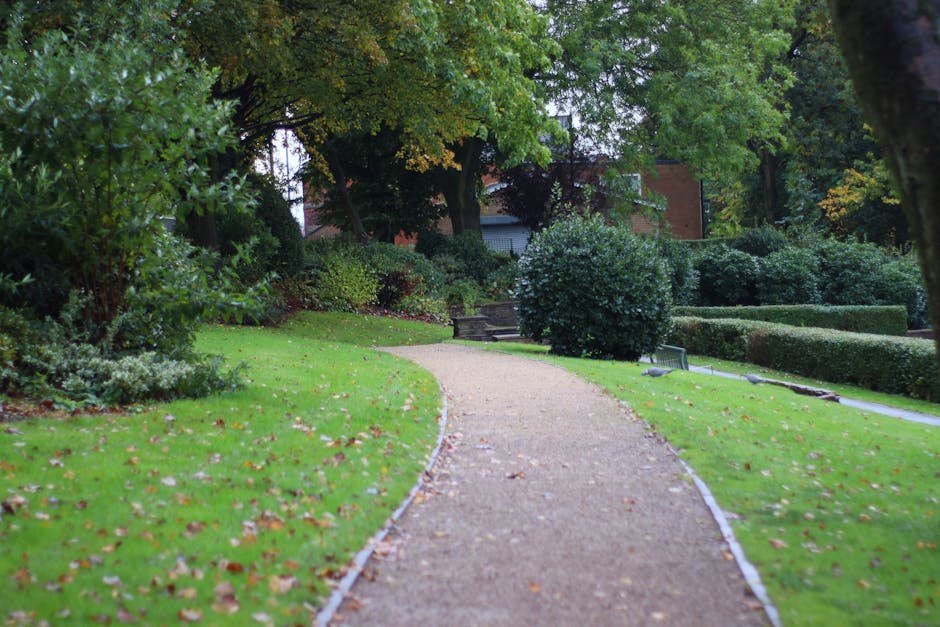
Ladywell garden care guide from local Lewisham gardeners
If you live in Ladywell, you already know the garden can be brilliant one week and slightly battered the next. A mild spell, then a cold snap, then rain that seems to hang in the air all day - London gardens have a way of keeping you on your toes. This Ladywell garden care guide from local Lewisham gardeners is here to make the job feel more manageable, whether you have a small rear courtyard, a family garden, a shared front plot, or a bigger space that needs regular upkeep.
What follows is practical, local, and grounded in the kind of day-to-day care gardens actually need. You will find seasonal advice, common mistakes, sensible standards, and a few useful comparisons to help you decide what to do yourself and when to bring in help. No fluff. Just the sort of guidance that makes your garden look better and feel easier to live with.
Sometimes the difference between a tired-looking garden and a healthy one is not a grand redesign. It is the little things, done on time.
Table of Contents
- Why this guide matters in Ladywell
- How local garden care works in practice
- Key benefits and practical advantages
- Who this is for and when it makes sense
- Step-by-step guidance
- Expert tips for better results
- Common mistakes to avoid
- Tools, resources and recommendations
- Law, compliance, standards and best practice
- Options, methods, and comparison table
- Case study or real-world example
- Practical checklist
- Conclusion
- Frequently asked questions
Why Ladywell garden care guide from local Lewisham gardeners Matters
Ladywell gardens face a particular mix of conditions. You get urban soil that may be compacted, fences and buildings that create shade, pockets of heat near brickwork, and exposed corners where wind can dry things out faster than you expect. Add in the realities of busy family life, commuting, and limited time, and it becomes easy for a garden to drift.
Local Lewisham gardeners tend to notice the same pattern again and again: gardens do not usually fail all at once. They slip slowly. Grass gets patchy, hedges get leggy, borders get crowded, and the patio starts collecting moss and leaf litter. Then, before you know it, a small job has become a proper catch-up list. Sound familiar?
This is why a practical garden care guide matters. It helps you stay ahead of seasonal changes, prevent avoidable damage, and keep the space usable rather than just survivable. In Ladywell, that often means thinking a bit ahead about moisture retention, shade, drainage, pruning times, and the timing of lawn care. Nothing glamorous, but very effective.
It also helps to have a local eye on things. A gardener familiar with Lewisham's residential plots, railway-side planting conditions, and the everyday realities of tight access can give advice that makes sense on the ground. Not every garden needs a full makeover. Many just need steadier, more thoughtful maintenance.
How Ladywell garden care guide from local Lewisham gardeners Works
At heart, good garden care is a cycle: observe, tidy, feed, cut back, and reset. Then repeat, season by season. The trick is not doing everything at once. It is knowing what the garden needs right now and what can wait a little longer.
Local gardeners usually work through a garden in layers. First comes the visible stuff: grass length, hedge shape, borders, weeds, dead growth, and clutter. Then the less obvious work follows: soil condition, drainage, plant spacing, root competition, and whether the planting is suited to the amount of light the garden actually gets. That last one is easy to miss, yet it explains a lot.
In practical terms, the process often looks like this:
- Assess the condition - check lawns, beds, trees, shrubs, paving, and hard-to-see corners.
- Prioritise safety and access - remove obvious hazards, blocked paths, broken branches, or unstable growth.
- Tackle the seasonal essentials - mowing, hedge trimming, pruning, leaf clearance, and weed control.
- Improve the growing environment - mulch, aerate, feed, and correct drainage or compaction issues where needed.
- Maintain consistently - a light, regular routine usually beats a big annual rescue job.
That may sound straightforward, and to be fair, the basics are. The challenge is timing. Trim too hard at the wrong moment and you can weaken a plant. Leave things too long and the work becomes heavier, messier, and sometimes more expensive. Garden care is a bit like laundry in that way - ignore it for a week and it somehow doubles.
If you are comparing service support, many homeowners start by looking at broader options such as the full range of garden services before deciding whether they need one-off help or ongoing maintenance. For regular upkeep, a service like routine garden maintenance is often the most practical fit.
Key Benefits and Practical Advantages
A well-kept Ladywell garden does more than look neat. The benefits are practical, everyday, and easy to feel once the work is being done properly.
- Better curb appeal - tidy hedges, a healthy lawn, and clear edges make a house look cared for straight away.
- Healthier plant growth - regular pruning, feeding, and weeding gives plants a better chance to thrive.
- Less long-term cost - early maintenance often prevents bigger problems later, like overgrown shrubs, damaged paving edges, or stressed turf.
- Safer access - clear paths, trimmed growth, and removed debris reduce trip hazards and awkward access issues.
- More usable space - a garden that is managed sensibly becomes somewhere you actually want to sit, cook, play, or relax.
- Less seasonal stress - you are not scrambling every time the weather changes.
There is also a quieter benefit that people sometimes underestimate: peace of mind. A garden that is in order tends to feel calmer. Not perfect, not magazine-ready, just tidy enough that your eye can rest. That matters more than people admit.
For many Ladywell homes, targeted services such as lawn mowing, hedge trimming, and tree lopping and removal are the quickest way to restore shape and structure without overcomplicating the job.
Who This Is For and When It Makes Sense
This guide is for anyone in Ladywell who wants a garden that feels manageable rather than overwhelming. That includes first-time homeowners, busy families, landlords, older residents who prefer reliable help, and people who simply want a tidy outside space without spending every Saturday morning with a hedge trimmer.
It also makes sense if any of these sound familiar:
- the lawn is thinning or getting patchy in shaded spots;
- shrubs are starting to block windows or paths;
- you are getting more weeds than flowers;
- the garden looks untidy even after a quick tidy-up;
- you need help before a family gathering, property sale, or tenancy changeover;
- you have inherited a garden that needs a proper reset.
Sometimes people think they need landscaping when really they need maintenance. That distinction matters. Landscaping changes the structure or layout. Maintenance keeps the existing garden healthy and usable. If your space already works but just looks tired, maintenance is usually the smarter first step.
On the other hand, if the layout is awkward, drainage is poor, or the planting no longer suits the space, then a more structural approach may be better. That is where landscape gardening or broader landscaping support can come into play.
Step-by-Step Guidance
Here is a practical, no-nonsense way to care for a Ladywell garden through the year. The exact timing shifts with the weather, of course, but the sequence stays pretty consistent.
1. Start with a full walk-through
Walk the garden slowly. Look from the back door first, then from each corner. Check what is overgrown, what is bare, and what has been damaged by weather, pets, or foot traffic. You will often spot a surprising number of small problems in the first two minutes.
2. Clear the obvious clutter
Remove dead plant material, broken branches, windblown rubbish, pots that are no longer needed, and anything blocking access. This is not glamorous work, but it changes the feel of the whole space very quickly.
3. Deal with weeds before they spread
Pull weeds when the soil is slightly damp, so roots come away more easily. In borders, a mulch layer can help suppress regrowth. On paving, consistent removal matters more than occasional aggressive scraping. Keep after it.
4. Cut back selectively
Prune shrubs, trim hedges, and tidy perennials according to their growth habit and season. Do not just chop everything into submission. That approach tends to make plants look harsh and can weaken them. A measured cut usually gives a better result.
5. Improve the lawn
Mow to a sensible height, not too low, especially during dry spells. Edge the lawn for a sharper finish. If the grass looks tired, check whether it is being shaded, compacted, or starved of nutrients. In many London gardens, the real issue is not neglect alone, but a tricky growing environment.
6. Feed and mulch where appropriate
Healthy plants need the right support. Compost, mulch, and the occasional feed can make a noticeable difference, especially in beds that are working hard and getting a lot of competition from nearby roots or hard surfaces.
7. Review drainage and soil condition
If puddles linger after rain, the soil may be compacted or the area may have poor runoff. A local gardener will often spot whether the issue is simple compaction, heavy clay, or a design problem that needs a different fix. This is where a bit of experience saves time.
8. Set a maintenance rhythm
Once the garden is back in shape, keep it there with regular visits. A monthly light tidy may be enough for some plots. Others will need fortnightly attention during the growing season. Truth be told, consistency is the secret ingredient.
Expert Tips for Better Results
Local gardeners tend to learn a few things the hard way, and those lessons are useful. Here are the practical tips that make a real difference in Ladywell gardens.
- Do less, more often. Small regular jobs are easier on the garden and easier on you.
- Work with shade, not against it. If one part of the garden is shaded most of the day, plant accordingly rather than fighting it every season.
- Protect the soil. Compacted soil is a common issue in urban gardens. Avoid heavy foot traffic on wet ground where possible.
- Choose the right pruning time. Not every shrub wants a hard cut in the same month. Some need a light shape-up; others benefit from waiting.
- Use mulch carefully. It helps with moisture retention and weeds, but it should not be piled against stems.
- Watch the edges. The border between lawn, path, and bed is often where a garden starts looking untidy. Clean edges make a huge visual difference.
A small but useful observation: if you stand inside the house and look out, you can usually tell in seconds what needs doing. Your eye catches the wrong line, the dark patch, the leaning shrub. That first impression is a very honest one.
If you are worried about weather-related damage, especially in colder periods, it can help to plan ahead using guidance from related seasonal resources like winter frost protection advice. One hard frost can undo a lot of good work if tender plants are left exposed.
Common Mistakes to Avoid
A lot of garden trouble comes from good intentions paired with bad timing. Very normal, really. Here are the most common mistakes local gardeners see in Ladywell.
Cutting back too hard too quickly
People often want instant tidiness. Fair enough. But over-pruning can stress plants, reduce flowering, and leave the garden looking blunt rather than cared for.
Ignoring the lawn until it is patchy
By the time a lawn looks thin or mossy, it often needs more than a quick mow. Soil conditions, shade, and drainage all need checking.
Letting hedges outgrow their space
Once a hedge starts pushing into paths, fences, or neighbouring boundaries, it takes more work to bring it back. Regular trimming is easier and neater.
Using the wrong plant in the wrong place
Some plants simply struggle in deep shade, exposed spots, or cramped borders. No amount of pleading changes that. If a plant keeps failing, it may be in the wrong home.
Leaving leaf build-up for too long
Leaves can smother lawns, encourage slippery surfaces, and make beds feel neglected. A little seasonal clearing goes a long way.
Forgetting access and safety
Overgrown areas can hide trip hazards, sharp branches, or blocked drains. That matters more than many people think, especially in busy family gardens.
Tools, Resources and Recommendations
You do not need a shed full of specialist kit to keep a Ladywell garden in shape. But having the right basics makes the work much easier.
| Task | Helpful tool or approach | When to use it |
|---|---|---|
| Lawn care | Reliable mower, edging tool, rake | For regular mowing, shaping, and tidying edges |
| Hedge trimming | Sharp hedge trimmer, loppers, gloves | When hedges need shaping or height reduction |
| Border cleanup | Hand fork, trowel, compost, mulch | For weeding, feeding, and refreshing beds |
| Tree and shrub work | Pruning tools, safe access, protective gear | For selective cutting and branch control |
| Full reset | Green waste bags, barrow, clearance plan | When the garden needs a larger tidy-up |
If the job is bigger than a quick tidy, professional support can save time and reduce hassle. For example, a garden that has become heavily overgrown may need garden clearance before regular maintenance makes sense again. That is often the cleanest route, especially after a long neglect period or a tenancy turnover.
For homeowners who care about where waste goes, recycling and greener disposal practices are worth asking about. A service that follows sensible recycling and sustainability principles can help reduce the amount of garden material sent to landfill. Not every job needs a complicated sustainability story, but it is nice when the green bin side of the job is handled properly.
If you are comparing providers, check practical things first: whether they are insured, whether they explain the scope clearly, and whether they can handle the type of work your garden actually needs. Simple, but important.
Law, Compliance, Standards, or Best Practice
For most domestic garden care in Ladywell, the key concern is not heavy regulation. It is doing the work safely, respectfully, and in line with normal UK best practice. That includes managing waste properly, being careful with shared boundaries, and not creating avoidable nuisance for neighbours.
A few sensible points are worth keeping in mind:
- Waste handling: green waste should be removed and disposed of responsibly. Fly-tipping or careless dumping is not acceptable.
- Neighbour awareness: hedge cutting, tree work, and clearance jobs should respect boundary lines and avoid damaging adjoining property.
- Safety: anyone carrying out work should use appropriate protective equipment and safe working methods, especially with ladders, power tools, or heavy cuttings.
- Insurance: if you are hiring help, it is reasonable to ask about insurance and safety procedures. That is not being difficult; it is being sensible.
For more detail on service standards and safety, it can be useful to look at pages such as insurance and safety and the company's health and safety policy. If you are making a booking or comparing quotes, the pricing and quotes information can also help you understand what is included before any work starts.
Best practice in gardening is usually straightforward: communicate clearly, do the work properly, and leave the space tidy. That sounds obvious, but it is often where the difference between a decent job and a good one shows up.
Options, Methods, or Comparison Table
If you are deciding how to approach your garden, it helps to compare the usual routes side by side. Not every plot needs the same level of intervention.
| Approach | Best for | Pros | Limits |
|---|---|---|---|
| DIY maintenance | Small gardens, light weekly upkeep | Low cost, flexible timing, hands-on control | Time-consuming, easy to let slip, can miss deeper issues |
| One-off tidy-up | Overgrown or neglected spaces | Fast visual improvement, clears the backlog | Needs follow-up maintenance to stay effective |
| Regular professional maintenance | Busy households, larger gardens, recurring growth | Consistency, better seasonal timing, less stress | Ongoing cost, requires a service schedule |
| Full landscaping project | Poor layout, drainage issues, tired or impractical gardens | Transforms the space, can solve structural problems | More planning, longer timescale, more disruptive |
The right option often changes over time. A garden might begin with a clearance job, move into regular care, and later benefit from selective landscaping once the basics are under control. That sequence is usually more cost-effective than trying to do everything at once.
Case Study or Real-World Example
Here is a typical Ladywell scenario. A homeowner has a medium-sized back garden that started off neat enough, then life got busy. The lawn became uneven, the hedge stretched upward, the borders filled with weeds, and the patio picked up moss after a wet spell. Nothing dramatic. Just the sort of slow drift that happens when no one has the time.
The first visit focused on clearance and structure. Dead material was removed, the hedge was reduced to a manageable shape, and the lawn was cut back to a sensible level. Then the borders were weeded and mulched. A few plants that had clearly outgrown their spots were cut back more carefully, and one area near the fence was left less crowded so light could actually reach the ground.
On the follow-up visit, the work was lighter. Mowing, edging, checking regrowth, and tidying the planting carried the garden forward without needing another major reset. That is the real win, honestly. Once a garden is back in rhythm, it stops feeling like a burden.
It was not a dramatic transformation with a water feature and a paving pattern that makes you gasp. It was better than that. The garden became usable again. The family started sitting outside in the evening, and the whole space felt calmer. Small change. Big difference.
Practical Checklist
Use this checklist as a simple seasonal or monthly guide for Ladywell garden care.
- Walk the garden and note what looks overgrown, weak, or messy.
- Remove fallen leaves, dead stems, and loose debris.
- Check lawns for patchiness, compaction, or moss.
- Trim hedges before they block paths or windows.
- Weed borders and around paving edges.
- Cut back plants only as appropriate for the season and species.
- Refresh mulch or compost where beds are looking tired.
- Inspect for drainage issues after heavy rain.
- Check trees and large shrubs for broken or hazardous branches.
- Confirm whether the garden needs maintenance, clearance, or a bigger redesign.
- Plan the next visit before growth gets out of hand again.
If that list feels a bit long, you are not alone. Gardens have a way of generating jobs quietly, then all at once. The good news is that most of them are manageable if you stay on top of the basics.
Practical summary: the best Ladywell garden care approach is usually steady maintenance, seasonal timing, and honest assessment of what your space really needs. Keep the structure under control, protect the soil, and do not wait until every task becomes urgent.
Get a free quote today and see how much you can save.
Conclusion
A good garden in Ladywell does not happen by accident. It comes from regular care, a little local knowledge, and the willingness to tackle the right jobs at the right time. That might mean mowing before the grass gets shaggy, trimming before growth blocks the light, or clearing space before a small problem becomes a bigger one.
Local Lewisham gardeners understand the rhythm of these spaces. They know that a London garden has to work hard, often in a limited area, and that the best results usually come from thoughtful maintenance rather than heavy-handed intervention. If you keep the job simple, consistent, and grounded in the season, your garden will usually reward you. Not perfectly, perhaps. But properly.
And truth be told, a garden that feels calm on a damp Lewisham evening is worth the effort.
Frequently Asked Questions
How often should a Ladywell garden be maintained?
It depends on the size of the garden and how quickly things grow, but many homes do best with at least monthly care, then more frequent visits during spring and summer. Smaller, tidy gardens may only need light attention, while larger or heavily planted spaces usually need a steadier rhythm.
What is the difference between garden maintenance and garden clearance?
Garden maintenance is ongoing care: mowing, pruning, weeding, hedge trimming, and general tidying. Garden clearance is more intensive and usually used when the garden has become overgrown, cluttered, or neglected. Clearance gets it back to a workable state; maintenance keeps it there.
Do local Lewisham gardeners handle small city gardens as well as larger ones?
Yes. In fact, smaller urban gardens are often where local experience helps most. Tight access, shade, boundary issues, and limited storage are common in Ladywell, so practical know-how can save a lot of frustration.
What are the main signs my garden needs professional help?
If the hedge is out of control, the lawn is struggling, weeds keep coming back, or the garden feels too much to tackle in one go, that is usually a good sign. If you keep starting and stopping, that is another clue. Life happens. It does.
Can I just mow the lawn and leave the rest for later?
You can, but it often creates a false sense of progress. A neat lawn looks better, yes, but the borders, hedges, and weeds still influence how the garden feels overall. A balanced approach gives a better result.
Is it worth booking regular garden maintenance instead of one-off visits?
If growth is steady and you want the garden to stay under control, regular maintenance is often the easier option. One-off visits work well for a reset, but without follow-up the garden can drift again fairly quickly.
What should I ask before hiring a gardener in Ladywell?
Ask what is included, whether waste removal is covered, how they handle safety, and whether they are insured. It is also sensible to ask how they would prioritise your garden's work. A good response should feel clear, not vague.
Are hedge trimming and tree work included in general maintenance?
Sometimes yes, sometimes no. Smaller hedge trimming is often part of routine care, but larger tree work may need separate scheduling, specialist equipment, or additional planning. It depends on the size and condition of the growth.
What if my garden has drainage or shade problems?
Those issues are common in London gardens and should not be ignored. Shade may call for different planting choices, while poor drainage may need soil improvement or a more structural fix. A local gardener can usually help you separate plant problems from site problems.
How do I keep a garden tidy without spending all weekend on it?
The trick is small, regular tasks. Ten minutes here, twenty minutes there. Keep an eye on weeds, mow before the grass gets too long, and trim little and often rather than waiting for a big rescue job. That approach is boring, maybe, but it works.
Will a professional gardener use sustainable methods?
Many do, especially when it comes to waste handling, composting, and sensible material reuse. If sustainability matters to you, ask how green waste is managed and whether the work plan includes recycling-friendly practices. It is a fair question.
When is the best time of year to refresh a Ladywell garden?
Spring and early autumn are often the most useful times for heavier tidy-up work, because growth and weather tend to cooperate a bit more. That said, different jobs suit different seasons. Lawn care, hedge trimming, pruning, and planting all have their own timing.